
Addressing the Enterprise Engineering Skill Gap
Enterprise engineering teams frequently struggle when transitioning experimental language model prototypes into deterministic production software. Basic prompt engineering fails to address transient latency, cascading agent errors, or unpredictable API invocations across high-throughput environments. Anthropic introduced the Claude Frontier Academy to resolve this discrepancy by offering an engineering-grade syllabus focused on high-assurance system design.
The curriculum approaches foundation models not merely as text generation endpoints, but as reasoning engines integrated into deterministic runtime loops. Participants explore state machines, contextual window distillation, schema enforcement, and constitutional boundaries that prevent drift during multi-hour execution cycles.
Build Practical Agentic Pipelines
Study architectural guides and reference implementations for autonomous multi-agent tool chains.
Core Modules: Tool Use, State, and Alignment
Rather than abstract theoretical seminars, the academy structures its coursework around four hands-on architectural pillars. Each section demands building, testing, and debugging production-level services using realistic datasets and strict operational parameters:
- Strict JSON Schema Tool Use: Designing resilient external function calls with automated fallback handlers for edge validation failures.
- Deterministic Context Management: Implementing rolling memory buffers and dynamic semantic chunking within 200k token windows.
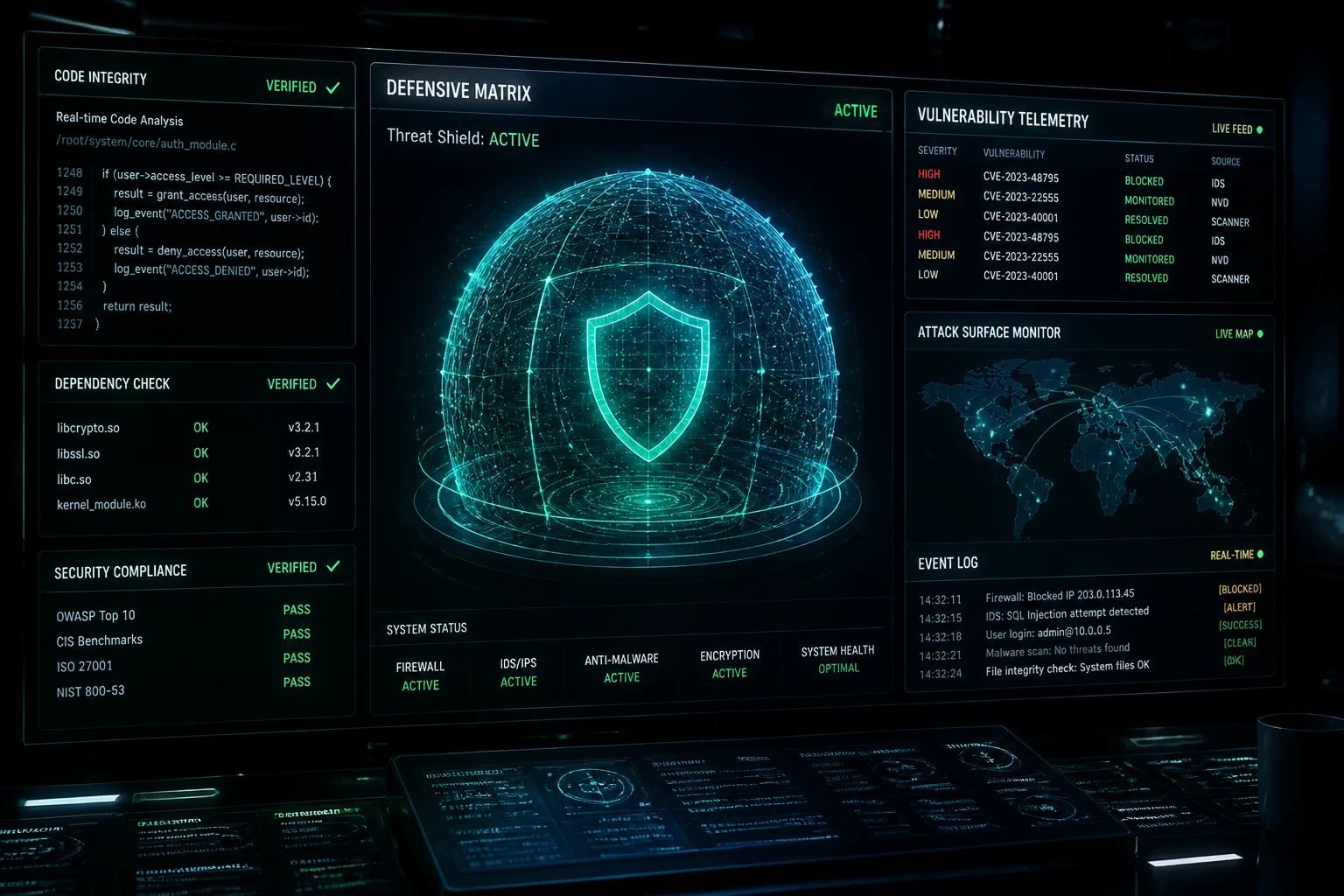
- Constitutional Guardrail Verification: Establishing secondary evaluator agents that audit system outputs against explicit corporate compliance mandates.
Rigorous Operational Sandboxes
Engineers must prove resiliency under simulated network dropouts, corrupted database payloads, and malicious prompt injections before graduating.
Standardized Enterprise Alignment
Teams master the deployment of scalable self-correcting mechanisms that keep autonomous agents tethered to business boundaries without sacrificing speed.
Interactive Sandboxes and Benchmark Scenarios
Laboratory assignments test developers against production failure modes. Students construct distributed swarm pipelines where a primary planner delegates complex tasks to specialized subordinate models. When subordinate agents deliver hallucinated syntax or partial payloads, the supervisor agent must autonomously trigger recovery workflows without human intervention. These capstone challenges simulate enterprise incidents in fintech, cloud devops, and automated compliance verification.
Professional Certification and Ecosystem Impact
Upon completing the proctored practical examination, engineers earn the Claude Certified Frontier Architect credential. As frontier models evolve from simple conversational assistants into autonomous systems driving complex infrastructure, verified architectural fluency becomes essential. The academy establishes a concrete baseline for reliability, security, and computational efficiency across the global enterprise ecosystem.