
Moving Beyond Passive Copilots to Autonomous Task Execution
Engineering backlogs and delivery cycles regularly suffer from coordination friction across issue tracking, code reviews, and documentation updates. Atlassian tackles this friction directly by releasing specialized developer tools and runtime APIs built specifically for autonomous AI agents. Rather than treating artificial intelligence merely as an inline conversational assistant, this suite equips autonomous software workers with transactional capabilities, structured permission boundaries, and direct event triggers across Jira, Confluence, and Bitbucket.
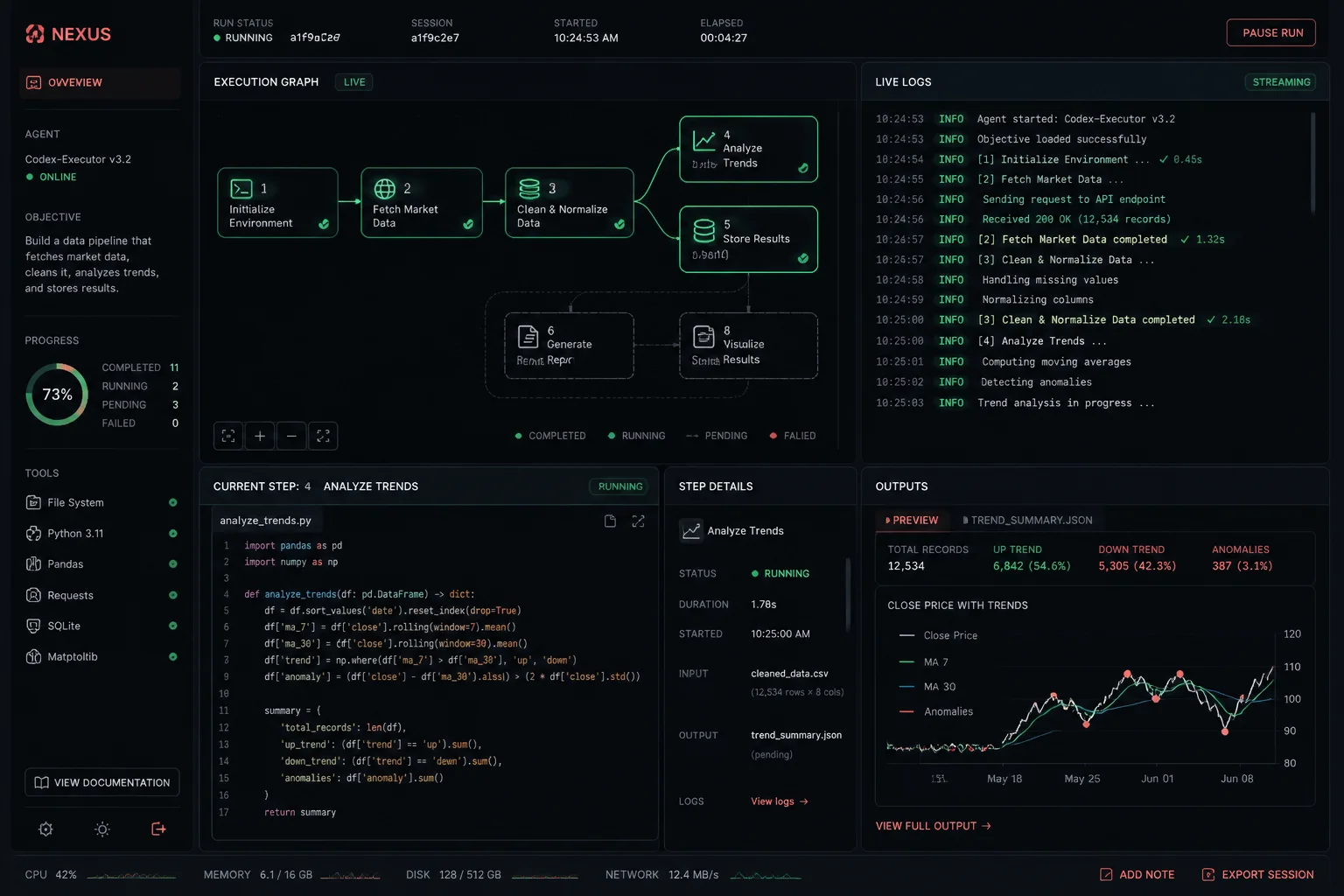
Teams building and deploying agentic services can now bind autonomous bots to discrete state machine transitions within Jira. When an anomaly or user bug ticket is flagged, an autonomous agent can ingest the stack trace, search Confluence for architectural guidelines, and construct a candidate pull request in Bitbucket. Human engineers retain complete oversight, reviewing the agent's step-by-step reasoning and automated test proofs before merging any changes into main deployment branches.
Build Custom Workflows with Agent APIs
Explore in-depth implementation patterns for connecting custom LLM runtimes to enterprise repositories and ticket lifecycles.
The Tripartite Integration Loop in Enterprise Environments
The newly announced framework relies on a three-tier architecture that minimizes prompt drift, eliminates context blindness, and grounds autonomous actions in existing engineering standards:
- Confluence Context Engine: Agents automatically index technical design documents, architectural decision records, and acceptance criteria to ground proposed code changes in team conventions.
- Jira Execution State Machine: Task workflows govern agent rights, allowing bots to advance status markers, assign validation subtasks, or escalate ambiguous blockers directly to lead developers.
- Bitbucket Automated Verification: Agents generate focused feature branches, run containerized linting and test suites, and write structured pull request descriptions detailing operational trade-offs.
Deterministic Safety Gates
State machine triggers keep autonomous tasks constrained within verified permission boundaries, preventing accidental releases or untracked repository modifications.
Native Collaboration Workflows
Engineering teams interact with autonomous agents using familiar ticket comments and pull request review requests, avoiding fragmented external dashboards.
Sandboxing, Verification Pipelines, and Audit Compliance
Introducing autonomous agency into corporate codebases necessitates rigorous compliance controls. Atlassian implements real-time audit streaming for all agent operations, capturing each prompt context, retrieved snippet, and generated diff. In addition, automated merge gatekeepers reject any pull request failing security static analysis or unit coverage benchmarks, ensuring that agent speed never compromises software reliability.
Enterprise Outlook: Pragmatic Integration Over Isolated Black Boxes
Whereas standalone AI developer agents often operate in isolated silos detached from organizational context, Atlassian's approach integrates autonomy directly into established teamwork hubs. By embedding intelligent agents within audited Forge environments, Jira project governance, and Confluence technical documentation, organizations can safely accelerate feature delivery while maintaining full transparency, governance, and developer trust.